 FREE CONSULTATION
 Common Causes of Rear-End Collisions in Pennsylvania
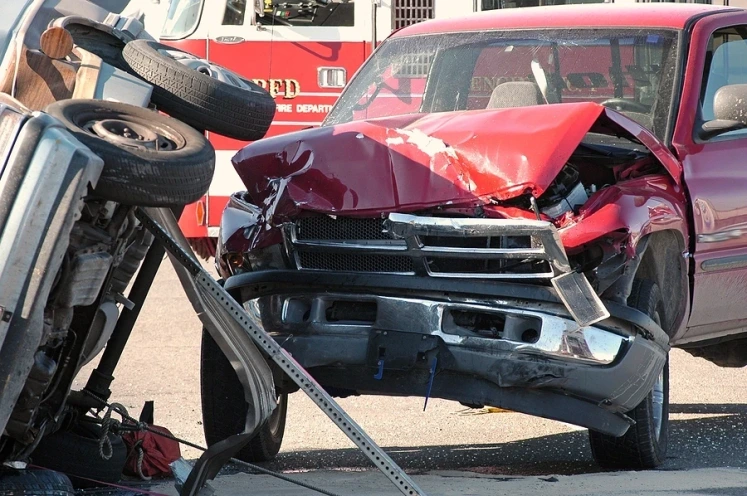
Rear-end collisions are among the most common types of car accidents in Pennsylvania. These accidents often cause significant property damage, injuries, and legal disputes. Understanding the factors that contribute to rear-end collisions can help drivers stay safe and provide insight for those pursuing a personal injury claim.
Driver Distraction and Inattention
One of the leading causes of rear-end collisions is driver distraction. Distractions can take many forms, including texting or talking on a phone, adjusting the radio, eating, or interacting with passengers. Even a brief lapse in attention can result in a driver failing to notice a vehicle stopping ahead, leading to a collision. In Pennsylvania, distracted driving is considered negligence, and evidence of inattention can significantly influence fault determinations in an accident claim.
Tailgating and Following Too Closely
Maintaining a safe following distance is essential to prevent rear-end collisions. Drivers who tailgate or follow too closely may not have enough time to react if the car in front brakes suddenly. Factors like speed, road conditions, and weather affect the safe following distance. Pennsylvania law requires drivers to maintain control of their vehicles and avoid collisions, making tailgating a common reason for assigning fault in rear-end accidents.
Speeding and Aggressive Driving
Excessive speed reduces a driver’s ability to stop safely and increases the severity of accidents. In rear-end collisions, a speeding driver may not be able to slow down in time to avoid hitting the vehicle ahead. Aggressive behaviors, such as rapid lane changes, weaving through traffic, and sudden braking, also contribute to rear-end accidents. These actions are considered reckless and can affect liability and compensation in personal injury cases.
Impaired Driving
Driving under the influence of alcohol or drugs significantly increases the risk of rear-end collisions. Impaired drivers have slower reaction times, poor judgment, and decreased coordination. Even small amounts of alcohol can impact a driver’s ability to maintain a safe following distance and respond to sudden stops. In Pennsylvania, impaired driving is a serious offense and can be strong evidence of negligence in a personal injury claim.
Weather and Road Conditions
Pennsylvania experiences a variety of weather conditions that can contribute to rear-end accidents. Rain, snow, ice, and fog reduce visibility and traction, making it harder to stop safely. Drivers who fail to adjust their speed or following distance for these conditions increase the likelihood of a collision. Properly documenting weather and road conditions can be important in establishing fault and liability after an accident.
Brake Failure and Vehicle Malfunctions
Mechanical issues, such as brake failure or worn tires, can also cause rear-end collisions. Regular vehicle maintenance is crucial to ensure brakes, tires, and other safety systems function properly. In cases where a collision occurs due to a malfunction, the responsible party may include the driver, vehicle owner, or even a manufacturer, depending on the circumstances. Evidence like maintenance records and expert inspection reports can be critical in these cases.
Traffic Congestion and Sudden Stops
Heavy traffic increases the risk of rear-end collisions because stop-and-go conditions require constant attention and quick reactions. Sudden stops, whether caused by traffic jams, construction zones, or unexpected obstacles, leave little time for drivers to react. In congested areas, even minor distractions or misjudgments can lead to collisions. Understanding traffic patterns can be useful in accident investigations and claims.
Impaired Judgment Due to Fatigue
Driver fatigue is often overlooked but is a significant factor in rear-end accidents. Tired drivers have slower reaction times, reduced awareness, and impaired judgment. Long hours behind the wheel, lack of sleep, or driving during late-night hours increases the risk of collisions. Fatigue-related accidents are considered negligent, and documentation of the driver’s schedule or time on the road may be relevant in legal claims.
The Role of Following Distance and Reaction Time
Many rear-end collisions can be traced to insufficient following distance combined with delayed reaction time. The “two-second rule” is a standard guideline, meaning drivers should maintain at least a two-second gap from the vehicle ahead under normal conditions. Factors such as weather, vehicle type, and traffic flow may require longer distances. Drivers who fail to adjust following distance appropriately may be held liable for collisions.
Collecting Evidence After a Rear-End Collision
Gathering evidence promptly is essential for a personal injury claim. This includes photographing vehicle damage, documenting injuries, and obtaining witness statements. Police reports provide official records of the accident scene, traffic conditions, and any citations issued. If available, dashcam footage can be invaluable in showing the sequence of events leading to the collision. Accurate documentation strengthens a claim and helps establish liability.
Conclusion
Rear-end collisions in Pennsylvania result from a combination of driver behavior, road conditions, and environmental factors. Distracted driving, tailgating, speeding, impaired driving, and fatigue are among the most common causes. Weather and traffic conditions, as well as mechanical issues, can also contribute. Understanding these factors can help drivers prevent accidents and provide guidance for pursuing a personal injury claim when collisions occur.
If you have been involved in a rear-end accident, consulting a personal injury attorney can help protect your rights and ensure fair compensation. Experienced legal guidance can assist in gathering evidence, navigating insurance claims, and holding negligent parties accountable for their actions.