 FREE CONSULTATION
 How to Protect Your Rights After a Bicycle Accident
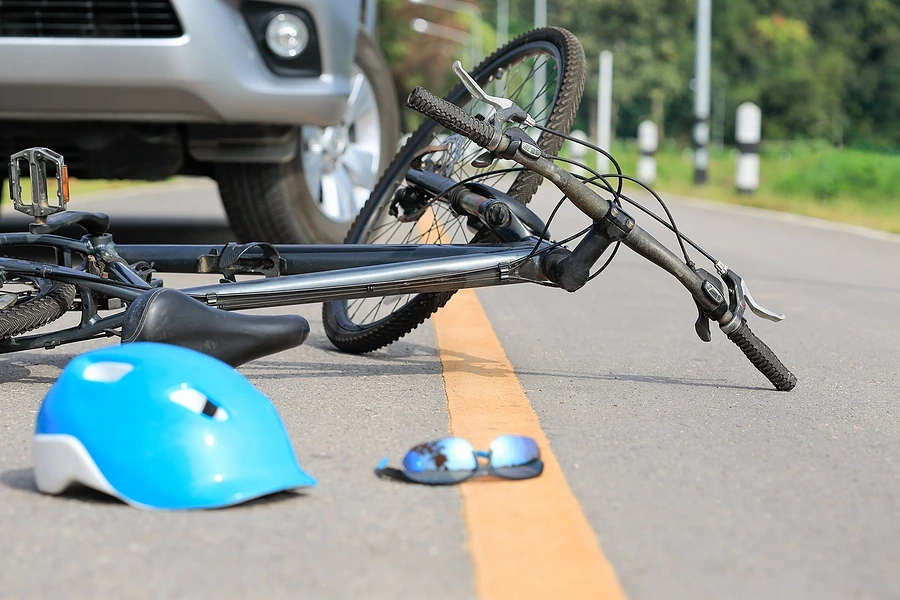
Bicycling is a popular activity in Pennsylvania, whether for commuting, exercise, or recreation. Unfortunately, accidents can happen, and when they do, cyclists often face serious injuries. Knowing how to protect your rights immediately after a bicycle accident can significantly impact your ability to recover compensation for medical bills, lost wages, and other damages.
Seek Medical Attention Immediately
The first step after any accident is to ensure your safety and health. Even if you feel fine, injuries like concussions, internal bleeding, or fractures may not show immediate symptoms. Calling 911 or visiting an emergency room ensures you receive professional medical care and creates an official record of your injuries.
Medical records are crucial if you pursue a personal injury claim later. They provide concrete evidence of the accident’s impact on your health. Delaying medical treatment can be used against you by insurance companies to argue that your injuries were not serious or were unrelated to the accident.
Document the Accident Thoroughly
Collecting detailed evidence at the scene can strengthen your claim. Take photographs of the accident site, any visible injuries, your bicycle, and any vehicles involved. If there were road hazards like potholes, uneven pavement, or obstructed signs, capture those as well.
Additionally, gather contact information from witnesses. Statements from people who saw the accident happen can corroborate your version of events. Keep a written record of everything you remember about the accident, including the time, location, weather conditions, and what happened just before and after the crash.
Notify the Police
In Pennsylvania, it’s important to report bicycle accidents to law enforcement, especially if there are injuries or property damage. A police report provides an official account of the incident and may include important details such as citations or statements from the other party.
When speaking with the police, stick to factual information. Avoid speculating or admitting fault, even if you think the accident was partially your responsibility. Your goal is to create an accurate record without jeopardizing your rights.
Preserve Evidence for Your Case
Beyond photographs and witness information, it is critical to preserve all evidence that could support your claim. Keep your damaged bicycle, clothing, or helmet in their current condition. Do not make repairs or discard items before consulting with a lawyer. Insurance adjusters may request these items as part of their investigation.
Also, save receipts for medical treatment, prescriptions, transportation costs, and any other expenses resulting from the accident. These documents help quantify your damages and demonstrate the financial impact of the crash.
Avoid Discussing the Accident Publicly
After an accident, be careful about what you say online or to insurance representatives. Social media posts describing the accident or your injuries can be used against you. Even seemingly harmless statements may be interpreted as admitting fault or exaggerating damages.
When speaking with insurance companies, provide only basic facts. Do not sign any settlement offers or release forms without consulting an attorney. Insurance adjusters are trained to minimize payouts, and premature agreements could prevent you from receiving full compensation.
Contact an Experienced Bicycle Accident Lawyer
Bicycle accidents often involve complex factors such as vehicle negligence, road conditions, and insurance coverage issues. Consulting a personal injury lawyer experienced in bicycle accidents in Pennsylvania can protect your legal rights and guide you through the claims process.
An attorney can help determine liability, gather evidence, communicate with insurance companies, and ensure your case meets all legal deadlines. Pennsylvania has specific rules regarding personal injury claims, including a two-year statute of limitations for filing lawsuits. Acting promptly with legal support helps preserve your options.
Understand Comparative Negligence in Pennsylvania
Pennsylvania follows a modified comparative negligence system. This means that if you are partially at fault for the accident, your compensation may be reduced proportionally. For example, if you are found to be 20% responsible for the crash, your damages award could be reduced by that percentage.
A lawyer can assess how comparative negligence applies to your situation and help build a strong case to minimize your share of liability. Understanding this law is important for protecting your recovery rights.
Communicate Carefully with Insurance Companies
Insurance companies will investigate your claim and may contact you directly. While it may seem helpful to cooperate, any statements you make can influence the outcome of your case.
Always provide accurate information but avoid giving detailed explanations or opinions about fault. Forward all insurance communications to your lawyer, who can handle negotiations and ensure you are treated fairly.
Keep Track of Your Recovery
Maintaining a detailed record of your recovery process is important for proving the full extent of your damages. Track medical appointments, physical therapy sessions, medication schedules, and any ongoing limitations in your daily activities.
Documenting pain, emotional distress, or lifestyle changes can also support claims for non-economic damages. A thorough record demonstrates the accident’s lasting impact on your life, strengthening your case for fair compensation.
Know Your Legal Deadlines
In Pennsylvania, most personal injury claims must be filed within two years of the accident. Failing to meet this deadline typically results in losing the right to pursue a claim. Certain circumstances, such as injuries to minors, may alter these timelines, so it is important to consult with an attorney as soon as possible.
Seek Support and Resources
Recovering from a bicycle accident can be physically and emotionally challenging. Support from friends, family, or local resources can help you cope with the stress of recovery and legal proceedings. Many communities offer cycling advocacy groups that provide guidance on safety, insurance, and accident reporting.
Conclusion
Protecting your rights after a bicycle accident in Pennsylvania requires immediate attention to medical care, careful documentation, and prudent communication. Avoiding common mistakes such as delaying medical treatment, making public statements, or settling too quickly can preserve your ability to recover full compensation.
Working with a bicycle accident attorney can guide you through the process, handle negotiations, and ensure your legal rights are fully protected. Acting promptly and methodically after a crash increases your chances of a fair outcome and helps you focus on recovery rather than legal uncertainty.