 FREE CONSULTATION
 Helmet Laws and How They Affect Bicycle Accident Claims in Pennsylvania
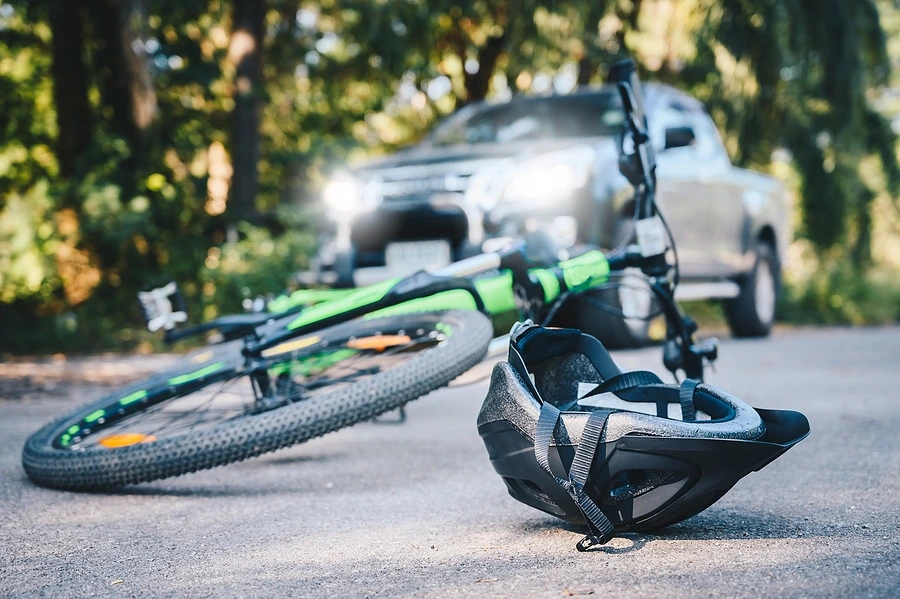
Bicycle accidents can happen in a split second and often result in serious injuries. When a rider is involved in an accident, a number of factors come into play that can influence the outcome of a personal injury claim. One key aspect that frequently arises in these cases is the role of helmet laws. In Pennsylvania, helmet use is required under certain conditions, but not all cyclists are legally required to wear them. This can create complications when pursuing a bicycle accident claim, especially if the rider wasn’t wearing a helmet at the time of the accident.
Pennsylvania Helmet Laws: Who Is Required to Wear One?
In Pennsylvania, the helmet law for cyclists is fairly straightforward, but it only applies to certain groups. According to the state’s laws, helmets are required for:
- Riders under the age of 12: If a child is riding a bicycle, regardless of whether they are the operator or a passenger, they must wear a helmet.
- Riders under the age of 16: Any minor who is riding a bicycle must wear a helmet, even if they are riding with a parent or guardian.
For adults (16 years and older), wearing a helmet is not legally required under Pennsylvania law. However, even if an adult cyclist is not obligated by law to wear a helmet, doing so can significantly affect their safety in the event of a crash.
How Helmet Use Affects Bicycle Accident Claims
While helmet use may not be required for adults in Pennsylvania, it still plays a significant role in personal injury claims after a bicycle accident. If you are injured while riding a bike and weren’t wearing a helmet, the following factors may influence your claim:
1. Contributory Negligence and Comparative Fault
In Pennsylvania, the legal system follows a “comparative fault” rule. This means that if both parties involved in an accident share responsibility for the incident, the amount of compensation awarded will be reduced based on the percentage of fault attributed to each party.
For example, if a cyclist is involved in an accident and they weren’t wearing a helmet, the opposing party may argue that the cyclist contributed to the severity of their injuries by not taking proper safety precautions. In some cases, this may lead to a reduction in the compensation awarded for the injuries sustained. The opposing side may claim that if the rider had worn a helmet, the injuries would not have been as severe or would have been avoided altogether.
While comparative fault does not automatically bar a claim, the failure to wear a helmet could be used against the cyclist in terms of damages. The jury or insurance company may find the cyclist partially at fault for not wearing a helmet, which can lower the compensation they are entitled to receive.
2. The Severity of Injuries
Another key factor in a bicycle accident claim is the severity of the injuries sustained. Helmets are designed to reduce the impact of a fall or collision and can dramatically lessen the severity of head and brain injuries. If the cyclist was not wearing a helmet and suffered significant head injuries, it could be argued that their injuries were worsened by their failure to comply with safety precautions.
On the other hand, if the accident was caused by another party’s negligence, such as a motorist failing to yield or a dangerous road condition, the fact that the cyclist wasn’t wearing a helmet may not change the liability for the accident itself. However, the severity of the injuries could be a consideration in determining the overall damages.
3. Insurance Company Tactics
Insurance companies may use a lack of helmet use as a defense in an attempt to reduce the amount they have to pay in a bicycle accident claim. They might argue that the cyclist contributed to the extent of their injuries by failing to wear a helmet, and therefore, their compensation should be reduced.
In such cases, having legal representation can make a significant difference. An experienced personal injury lawyer can counter the insurance company’s arguments by presenting evidence that the accident was caused by the negligence of another party and that the rider’s decision not to wear a helmet did not directly contribute to the cause of the accident.
4. Proof of Negligence
In a personal injury claim, the plaintiff must prove that the accident was caused by the defendant’s negligence. If a motorist or another party caused the accident, the failure to wear a helmet doesn’t necessarily negate the cyclist’s right to pursue a claim. However, the helmet issue can become a point of contention if there is an argument about the severity of injuries or contributory negligence.
If it is found that the cyclist’s injuries were made worse by their failure to wear a helmet, it could impact the amount of compensation they receive. However, if the cause of the accident is clearly the fault of another party, the rider’s lack of a helmet may not play a significant role in determining liability.
The Importance of Wearing a Helmet Regardless of the Law
Even though wearing a helmet is not required by law for cyclists over the age of 16 in Pennsylvania, it is still important for safety reasons. Helmets help protect against serious head injuries, which are some of the most common and dangerous injuries sustained in bicycle accidents.
If you are involved in a bicycle accident, whether or not you were wearing a helmet could become a factor in your personal injury claim. However, it is important to remember that helmets don’t prevent accidents from happening. The cause of the accident, the negligence of other parties, and the circumstances surrounding the crash will be the most critical factors in determining liability and the compensation you may be entitled to.
Conclusion
Bicycle accident claims in Pennsylvania can be complex, and the state’s helmet laws may play a role in the outcome of these cases. While wearing a helmet is mandatory for minors, adults are not legally required to wear one. However, if you are involved in a bicycle accident, the failure to wear a helmet could be used as a defense to reduce the severity of your injuries or your overall compensation.
If you or someone you know has been injured in a bicycle accident, consulting with a personal injury lawyer can help you understand your rights and navigate the legal process. A lawyer can assist in proving negligence and fighting back against tactics that insurance companies may use to minimize your claim, including arguments related to helmet use.