 FREE CONSULTATION
 How to File a Claim After a Multi-Vehicle Accident in Pennsylvania
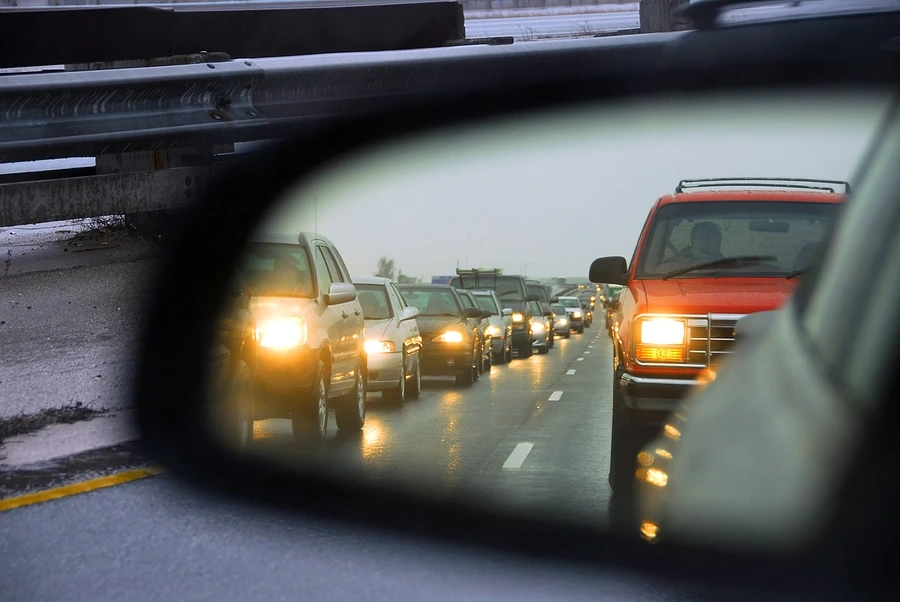
Multi-vehicle accidents can be overwhelming, both physically and emotionally. When several cars are involved, determining fault, documenting injuries, and filing insurance claims becomes more complex than in a typical two-car collision. In Pennsylvania, understanding the claims process and knowing how to protect your rights is essential for receiving fair compensation.
Immediate Steps to Take at the Scene
The first moments after a multi-vehicle accident are critical. Ensure safety by moving to a secure area if possible. Check yourself and passengers for injuries, and call 911 to report the accident and request medical assistance. Law enforcement will create an official accident report, which is often a key piece of evidence for insurance claims.
Document the scene thoroughly. Take photos of all vehicles involved, their positions, and any visible damage. Capture skid marks, traffic signs, and road conditions. If it is safe, gather the names and contact information of all drivers and witnesses. Accurate documentation at the scene strengthens your claim and helps clarify the chain of events.
Seek Medical Attention
Even if injuries seem minor, prompt medical evaluation is crucial. Some injuries, such as whiplash or internal trauma, may not be immediately apparent. Medical records provide evidence of your injuries and are essential for establishing the connection between the accident and your treatment. Keep detailed records of visits, diagnoses, treatments, and any prescribed medications.
Notify Your Insurance Company
Contact your insurance company as soon as possible to report the accident. Provide factual details about what happened, but avoid speculating about fault. Multi-vehicle accidents often involve complex liability issues, and statements that seem harmless could be used against you. Insurance adjusters will begin an investigation and may request documentation such as police reports, photos, and witness statements.
Understand Comparative Negligence in Pennsylvania
Pennsylvania follows a comparative negligence system. This means that fault can be divided among multiple parties. Even if you are partially responsible for the accident, you may still recover damages, but your compensation will be reduced by your percentage of fault. Multi-vehicle accidents often involve shared liability, making it essential to have clear evidence supporting your version of events.
Gathering Evidence for Your Claim
Evidence is critical in multi-vehicle accidents. Besides police reports and medical records, additional documentation may include:
- Photographs and videos: Capture vehicle damage, the accident scene, and traffic signs. Dashcam footage or security camera recordings can be particularly valuable.
- Witness statements: Eyewitness accounts help clarify the sequence of events and may support your version of the accident.
- Repair estimates: Keep records of any vehicle damage and repair costs. This helps quantify your financial losses.
- Medical bills and receipts: Detailed records of medical expenses, therapy, and prescriptions establish the extent of your injuries and associated costs.
Dealing with Multiple Insurance Companies
Multi-vehicle accidents often involve several insurance companies, each trying to minimize liability. It can be challenging to navigate claims, especially if one insurer disputes fault or assigns a high percentage of blame to you. Insurance companies may offer quick settlements, but these offers may not fully cover your medical expenses, lost wages, or property damage.
The Role of a Personal Injury Attorney
A personal injury attorney can guide you through the complexities of a multi-vehicle accident claim. They can:
- Evaluate fault and liability: Attorneys review evidence, accident reports, and witness statements to determine who is responsible.
- Handle communication with insurers: Legal representation ensures that you do not inadvertently provide statements that could harm your claim.
- Calculate fair compensation: Attorneys assess medical costs, lost income, pain and suffering, and future expenses to determine an appropriate claim amount.
- Negotiate settlements: Experienced attorneys can negotiate with multiple insurance companies to achieve fair compensation.
- Represent you in court if necessary: If a settlement cannot be reached, an attorney can take your case to court and advocate on your behalf.
Special Considerations in Multi-Vehicle Accidents
Multi-vehicle collisions can involve additional complexities. Chain-reaction accidents, where one vehicle hits another causing subsequent impacts, require careful investigation to assign liability. Determining who caused the initial impact and the subsequent damages is often the focus of insurance investigations.
Uninsured or underinsured drivers may also be involved. Pennsylvania requires drivers to carry minimum liability coverage, but some drivers may lack sufficient insurance. Your policy may include uninsured or underinsured motorist coverage, which can help recover damages when other parties cannot pay.
Keeping Detailed Records
Throughout the claims process, maintain organized records of all correspondence, medical treatment, repair estimates, and expenses. A well-documented file supports your case and helps your attorney negotiate effectively. Accurate records also reduce the likelihood of disputes with insurance companies.
Conclusion
Filing a claim after a multi-vehicle accident in Pennsylvania involves multiple steps, from documenting the scene to working with insurance companies and understanding comparative negligence laws. Prompt medical attention, thorough evidence collection, and professional legal guidance are key to protecting your rights and maximizing compensation.
If you have been involved in a multi-vehicle accident, consulting a personal injury attorney can ensure your case is handled properly. Legal expertise helps navigate complex claims, negotiate with multiple insurers, and pursue the compensation you deserve. Protect your rights by seeking experienced guidance as soon as possible.