 FREE CONSULTATION
 Pennsylvania Laws on Employer Negligence in Workplace Accidents
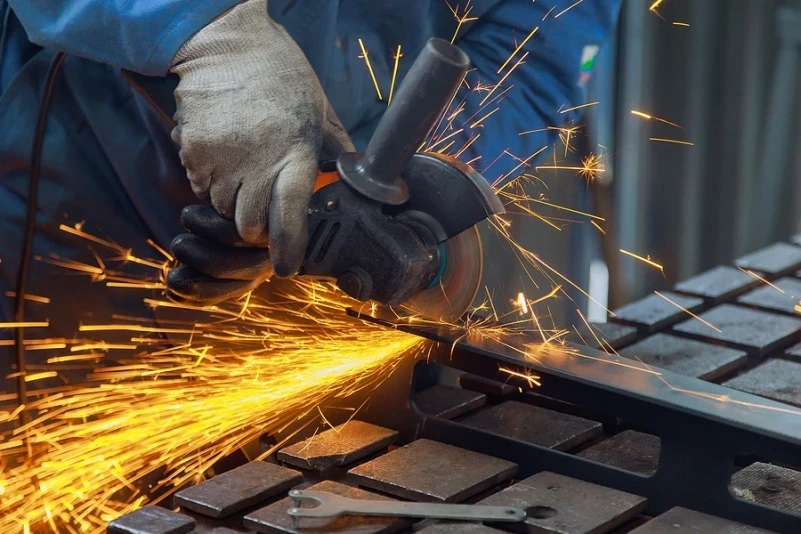
Workplace accidents can happen in any industry. In Pennsylvania, when an employee is injured on the job, questions often arise about the employer’s responsibility. Understanding the state’s laws on employer negligence can help workers protect their rights and seek the compensation they deserve.
Pennsylvania has strict rules regarding workers’ compensation, which covers most workplace injuries. These laws ensure that injured employees can receive medical care and partial wage replacement without having to prove fault. However, there are circumstances where an employer’s negligence goes beyond standard workers’ compensation protections. In such cases, employees may be able to pursue additional legal claims.
How Pennsylvania Defines Employer Negligence
Employer negligence occurs when an employer fails to provide a reasonably safe work environment, resulting in injury. This can include failing to maintain equipment, ignoring safety regulations, or not providing proper training. Pennsylvania courts consider whether the employer acted reasonably under the circumstances and whether their actions or omissions directly contributed to the injury.
For example, if an employer allows machinery to operate without regular maintenance, or if safety protocols are ignored despite known hazards, these could be considered negligent actions. Employees do not need to show that the employer intended harm—only that the employer failed to act responsibly and that this failure led to an injury.
The Role of Workers’ Compensation
Most workplace injuries in Pennsylvania are handled through the state’s workers’ compensation system. This system provides benefits regardless of fault, meaning an injured worker usually does not need to prove employer negligence to receive medical care or wage replacement.
Workers’ compensation covers medical expenses, rehabilitation costs, and a portion of lost wages. In some cases, it also provides death benefits to dependents of workers who die due to a workplace accident. The goal is to provide timely support to injured workers while limiting the need for lengthy litigation.
However, workers’ compensation has limits. The benefits may not fully cover long-term disabilities, chronic pain, or significant wage loss. This is where claims based on employer negligence can become important. If an employer’s reckless or intentional conduct caused the injury, employees may have the right to file a separate personal injury claim.
When Employees Can Pursue Additional Claims
While workers’ compensation is the primary remedy for workplace injuries, Pennsylvania law allows for exceptions in cases of severe employer misconduct. One common exception is the third-party liability claim. This occurs when someone other than the employer contributes to the injury, such as a contractor or equipment manufacturer.
Employees may also pursue claims if the employer intentionally caused harm. For example, if an employer knowingly exposes workers to dangerous conditions or instructs them to ignore safety procedures, a personal injury lawsuit may be possible. These claims can result in compensation for pain and suffering, emotional distress, and other damages that workers’ compensation does not cover.
Common Examples of Employer Negligence
Employer negligence can take many forms. Some common examples include:
- Failing to provide proper safety equipment or protective gear.
- Ignoring OSHA regulations or other workplace safety standards.
- Allowing unsafe machinery or equipment to be used without maintenance.
- Not providing sufficient training for dangerous tasks.
- Pressuring employees to work under unsafe conditions.
Each case is unique, and the determination of negligence depends on the specific facts. Pennsylvania courts often examine whether a reasonable employer in the same situation would have taken steps to prevent the injury.
Proving Employer Negligence
Proving employer negligence can be challenging. Workers’ compensation claims do not require proof of fault, but personal injury claims do. To establish negligence, employees must show:
- The employer had a duty to provide a safe workplace.
- The employer breached that duty through action or inaction.
- The breach directly caused the injury.
- The injury resulted in measurable damages, such as medical bills or lost wages.
Evidence plays a critical role in these cases. Accident reports, safety inspection records, witness statements, and photographs of the work environment can help demonstrate negligence. Legal counsel often works with investigators and medical experts to build a strong case.
Employer Defenses in Workplace Injury Cases
Employers may defend against negligence claims by arguing that they acted reasonably or that the injury was not caused by their actions. Common defenses include:
- The employee’s own negligence contributed to the accident.
- Proper safety protocols were in place, and the employee failed to follow them.
- The injury was caused by an unforeseeable event outside the employer’s control.
These defenses highlight the importance of thorough documentation. Employees should report accidents promptly, seek medical attention, and preserve any evidence related to the incident.
Steps to Take After a Workplace Accident
If you are injured at work in Pennsylvania, taking the right steps can protect your legal rights:
- Report the Injury: Notify your employer immediately. Written documentation helps establish a record.
- Seek Medical Attention: Prompt treatment ensures your health and strengthens your claim.
- Document the Scene: Take photos, gather witness information, and note any unsafe conditions.
- File a Workers’ Compensation Claim: This provides immediate benefits while other legal options are considered.
- Consult an Attorney: A lawyer experienced in workplace injury and employer negligence can guide you through potential claims beyond workers’ compensation.
Why Legal Assistance Matters
Workplace injury cases can be complex. Insurance companies and employers may attempt to minimize liability or deny claims. Consulting a personal injury lawyer helps ensure that your rights are protected. An attorney can evaluate whether negligence played a role in your injury, gather evidence, and pursue the maximum compensation available.
Legal guidance is especially important when pursuing claims beyond workers’ compensation. These claims can involve complicated issues like employer intent, third-party liability, and long-term damages. Having an advocate ensures that you are not left navigating these challenges alone.
Conclusion
Understanding Pennsylvania laws on employer negligence is critical for anyone injured at work. Workers’ compensation provides essential benefits, but it does not always cover the full impact of an injury. When employer actions or omissions contribute to harm, additional legal claims may be possible.
Employees should take immediate steps after an accident, including reporting the injury, seeking medical care, and documenting evidence. Consulting a personal injury attorney can provide guidance on whether a claim for employer negligence is appropriate.
Knowing your rights and the responsibilities of employers can make a significant difference in recovering both physically and financially after a workplace accident. Pennsylvania workers should be aware of the protections available to them and take action to ensure they are fully compensated when negligence is involved.