 FREE CONSULTATION
 The Impact of Speeding on Pennsylvania Personal Injury Claims
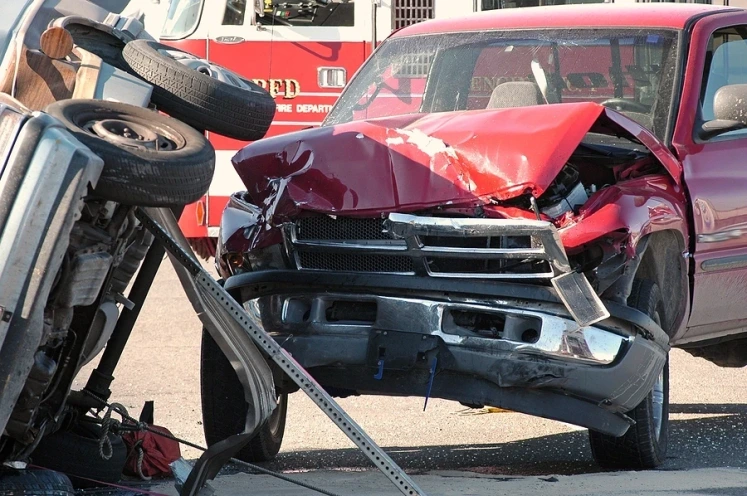
Speeding is a factor in many traffic accidents across Pennsylvania. When drivers exceed posted limits or travel too fast for conditions, the results can be serious. Personal injuries, property damage, and even fatalities often occur. Understanding how speeding affects personal injury claims can help victims protect their rights and navigate the legal process.
How Speeding Increases Accident Risk and Injury Severity
Speeding affects both the likelihood of an accident and how severe injuries can be. Vehicles traveling at higher speeds require longer stopping distances and less reaction time for sudden hazards. A driver going 15 or 20 miles per hour over the limit may not have enough time to prevent a collision.
The faster a vehicle moves at impact, the more force is involved. This often worsens injuries, such as broken bones, head trauma, and internal damage. Speeding isn’t just risky—it directly contributes to the severity of accidents.
Speeding as Evidence of Negligence
In Pennsylvania, personal injury claims often hinge on proving negligence. Negligence occurs when a driver fails to exercise reasonable care, causing harm to another person. Speeding is a clear example of negligent behavior.
If a driver was exceeding the speed limit, this can serve as evidence that they were not driving responsibly. Courts and insurance companies generally view speeding as an aggravating factor that increases liability.
Comparative Negligence and Partial Fault
Pennsylvania follows a modified comparative negligence rule. This means that if a person is partially at fault for their injuries, their compensation can be reduced in proportion to their share of responsibility.
For example, if a speeding driver collides with another vehicle, but the other driver also contributed to the accident, both may share liability. Even if the injured party bears some responsibility, the speeding driver can still be held liable for the portion of damages linked to their actions.
Gathering Evidence in Speeding Cases
Evidence is crucial in personal injury claims involving speeding. Police reports can document vehicle speeds and statements from witnesses. Traffic camera footage, skid marks, and vehicle damage can also show that excessive speed played a role.
Collecting this evidence early strengthens the claim and helps attorneys negotiate a fair settlement. Working with an experienced personal injury lawyer ensures that all relevant details are properly documented and presented.
Injuries and Their Impact on Claims
Speeding accidents often lead to serious injuries. Common outcomes include whiplash, spinal cord injuries, traumatic brain injuries, and fractures. These injuries can require long-term medical care and sometimes result in permanent disability.
Because speeding directly influences the severity of collisions, it often supports claims for higher compensation. Courts and insurers recognize that faster speeds lead to more severe consequences, which can justify larger settlements.
Reckless Driving and Legal Consequences
In Pennsylvania, driving significantly above the posted speed limit may be classified as reckless driving. This carries more serious legal consequences than a standard speeding violation.
Reckless driving citations can influence personal injury claims by establishing a higher degree of fault. Attorneys can use evidence of reckless behavior to strengthen a case and seek greater compensation.
Statute of Limitations and Timely Action
Time is an important factor in personal injury cases. Pennsylvania law generally allows two years from the date of the accident to file a lawsuit.
Delays in seeking legal advice or gathering evidence can weaken a case. Consulting an attorney promptly ensures that documentation is collected while evidence is fresh and memories are clear.
Settlements and Compensation
Settlement negotiations usually focus on medical expenses, lost wages, and pain and suffering. Demonstrating that a driver was speeding can support claims for full compensation.
Insurance companies may attempt to minimize claims, arguing that the injured party was partially at fault. Proper documentation—including medical records, witness statements, and accident reconstructions—can counter these arguments and ensure victims receive fair compensation.
Multi-Vehicle Accidents and Speeding
Speeding can complicate liability in multi-vehicle accidents. Determining which driver contributed most to a collision may require accident reconstruction experts to calculate speeds, angles, and timing.
Accurate evidence is essential in these cases, particularly when insurers dispute claims or multiple parties are involved. This analysis helps protect the rights of those injured by a speeding driver.
Emotional and Psychological Effects
Beyond physical injuries, victims may experience emotional and psychological trauma, such as anxiety, depression, or post-traumatic stress. These factors can be included in personal injury claims for pain and suffering.
Showing that speeding caused both physical and emotional harm strengthens the overall claim and highlights the full impact of the accident.
Conclusion
Speeding remains a common and dangerous behavior on Pennsylvania roads. Its influence on personal injury claims is significant, affecting both liability and compensation.
Victims should gather evidence, document injuries, and consult experienced attorneys to ensure their claims are handled effectively. Legal professionals can navigate Pennsylvania law, negotiate with insurers, and pursue maximum compensation for injuries, lost wages, and long-term care needs.
Understanding the role of speed in accidents is crucial. Proving that excessive speed contributed to a crash can make a meaningful difference in the outcome of a personal injury claim. With the right evidence and professional legal support, victims can hold negligent drivers accountable and recover the compensation they deserve.