 FREE CONSULTATION
 Understanding Pennsylvania Premises Liability Laws
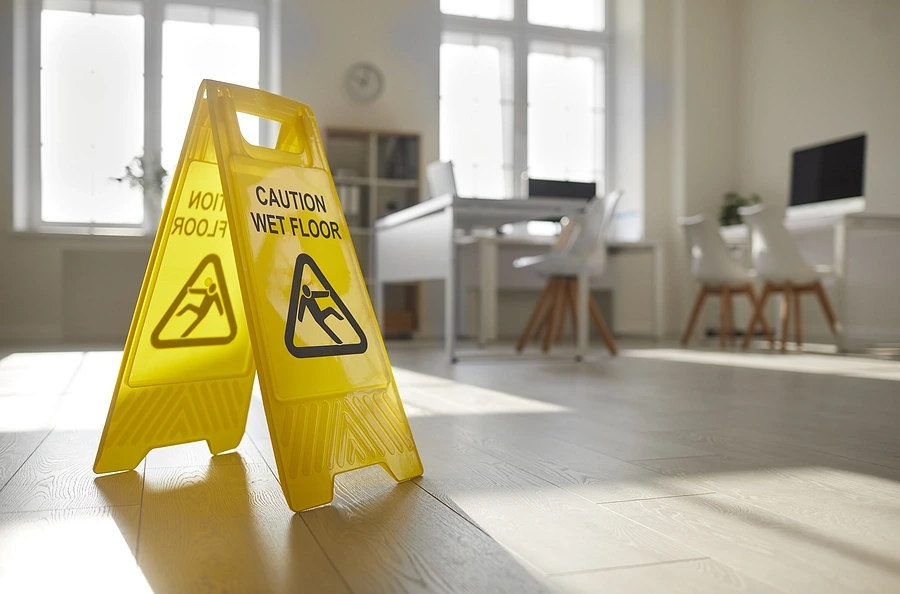
Premises liability law in Pennsylvania exists to protect people from unsafe conditions on property they do not own. If someone is injured because a property owner failed to maintain a safe environment, they may have the right to seek compensation. Understanding how these laws work can help injured individuals navigate complex legal processes and ensure they do not miss important deadlines.
Who Can Be Held Responsible
Property owners, tenants, and sometimes managers can be held responsible for injuries on their property. Liability depends on the legal status of the injured person. There are generally three categories: invitees, licensees, and trespassers.
- Invitees enter a property for business purposes, like customers in a store. Owners owe them the highest duty of care, including regular inspections and fixing hazards promptly.
- Licensees enter for social purposes, such as visiting a friend. Owners must warn them of known dangers but are not required to inspect the property actively.
- Trespassers enter without permission. Owners have limited duty, mainly to avoid intentional harm.
Common Types of Premises Liability Cases
Premises liability covers a wide range of accidents.
- Slip and fall incidents are among the most common, often caused by wet floors, icy walkways, or uneven surfaces.
- Trip and fall accidents can result from clutter, defective stairs, or loose carpeting.
- Falling objects like merchandise or debris can cause injuries.
- Inadequate security may lead to assaults or robberies, for which property owners can be liable.
- Animal attacks such as dog bites can trigger claims if the owner failed to control the animal.
Proving a Premises Liability Claim
To succeed in a premises liability case, an injured person must prove four elements:
- Duty of care – The property owner had a responsibility to maintain a safe environment.
- Breach of duty – The owner failed to maintain safe conditions or warn about hazards.
- Causation – The breach directly caused the injury.
- Damages – The injured person suffered losses, such as medical bills, lost wages, or pain and suffering.
Evidence is crucial. Photographs, medical records, witness statements, surveillance footage, and maintenance logs can all strengthen a case.
Understanding Comparative Negligence
Pennsylvania follows a modified comparative negligence rule. If the injured person contributed to their own injury, compensation may be reduced by their percentage of fault. If someone is more than 50 percent at fault, they cannot recover damages.
For example, if a shopper slips on a wet floor while texting, their compensation could be reduced proportionally. Understanding this rule is essential when evaluating a claim.
Time Limits for Filing a Claim
Timing is critical. Pennsylvania sets a statute of limitations for personal injury claims, usually two years from the date of the accident. Missing this deadline can prevent recovery. Certain situations, like injuries to minors or delayed discovery of harm, may extend the timeline. Consulting a lawyer early ensures deadlines are met and evidence is preserved.
Insurance and Settlements
Property owners often carry insurance that covers injuries on their premises. Insurance companies may contact injured individuals quickly to offer a settlement.
It’s important to approach these offers cautiously. Initial settlements are often lower than the claim’s full value and may not cover long-term medical expenses.
Working with a lawyer ensures settlements reflect the full extent of damages. Attorneys can negotiate with insurers, gather evidence, and file a lawsuit if necessary.
Steps to Take After an Injury
After an accident on someone else’s property, take these steps:
- Seek medical attention immediately, even for minor injuries.
- Document the scene with photos or videos.
- Collect contact information from witnesses.
- Report the incident to the property owner or manager and keep copies of communication.
- Avoid giving recorded statements to insurance adjusters without legal guidance.
These steps can protect your rights and strengthen your claim.
Conclusion
Premises liability laws in Pennsylvania hold property owners accountable for unsafe conditions. Liability depends on the injured person’s status, the property owner’s duty, and the circumstances of the accident.
Timely action, careful documentation, and professional legal assistance can make a significant difference in securing fair compensation. Knowing your rights ensures you are better equipped to protect yourself and recover what you deserve after an injury.