 FREE CONSULTATION
 What Happens If You’re Hit by an Uninsured Driver in Pennsylvania?
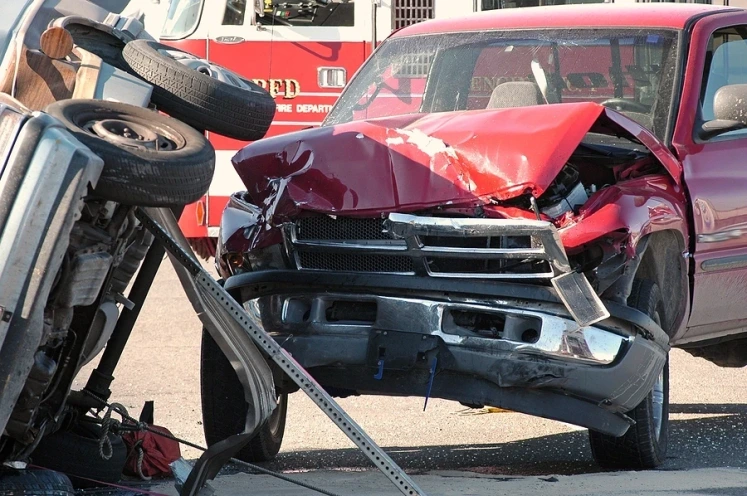
If an uninsured driver causes your Pennsylvania car accident, you generally cannot recover from their liability insurance because it doesn’t exist. Instead, you file a claim through your own uninsured motorist (UM) coverage, which Pennsylvania insurers are required to offer under 75 Pa.C.S. § 1731. You can also pursue the at-fault driver directly in court, though collecting from an individual with no insurance or assets is often difficult in practice.
Pennsylvania law requires most drivers to carry auto insurance, but that requirement doesn’t stop every driver from getting behind the wheel without coverage. Nationally, the Insurance Research Council estimates that roughly 15% of drivers were uninsured in 2023, and Pennsylvania, which verifies insurance at annual vehicle registration, tends to run below that national average. Still, uninsured drivers cause real crashes here every year, and when one causes yours, the path to compensation shifts away from their insurance and toward other sources. This is one of the more complicated areas of Pennsylvania accident law, and the right strategy depends on your own coverage and the specific facts of the crash. Anyone dealing with a Pennsylvania car accident claim involving an uninsured driver should understand these basics before deciding on the next steps.
Why Uninsured Drivers Are Still on Pennsylvania Roads
Pennsylvania’s Motor Vehicle Financial Responsibility Law requires vehicle owners to carry minimum liability coverage of $15,000 per person / $30,000 per accident for bodily injury and $5,000 for property damage. Enforcement, however, generally happens after the fact — during a traffic stop or following a collision — rather than before someone gets behind the wheel. That gap in real-time enforcement is the main reason uninsured driving persists despite the legal requirement.
Your Options When the At-Fault Driver Has No Insurance
- File a claim through your own uninsured motorist (UM) coverage. Under 75 Pa.C.S. § 1731, insurers must offer UM coverage on every auto policy, though a named insured may reject it in writing. If you carry UM coverage, you file the claim with your own insurer, and the payout depends on your policy limits and the extent of your injuries.
- Pursue the at-fault driver directly. This route is legally available but often impractical — collecting a judgment from someone with no insurance or significant assets can be difficult even after winning in court.
- Use other available coverage. First-party medical benefits on your own auto policy, or your health insurance can sometimes offset costs while a larger claim is still being resolved. Reviewing your full policy, including endorsements and riders, can reveal coverage you didn’t know applied.
A Note on UM Coverage and Your Tort Election
If you elected limited tort coverage on your policy (see 75 Pa.C.S. § 1705), that election can also limit your ability to recover non-economic damages, like pain and suffering, through a UM claim — not just through a claim against another driver.
Steps to Take Immediately After the Crash
- Document the scene. Photograph the vehicles, the surrounding area, and any visible injuries.
- Get the other driver’s information. Name, contact information, and license plate number, plus contact information for any witnesses.
- Request a police report. It may be noted whether the other driver could provide proof of insurance.
- Notify your own insurer promptly. Most policies require prompt notice, and delay can complicate a later UM claim. Be honest and factual; avoid speculating about fault or injury severity before you have a clear medical picture.
- Keep records. Save copies of all correspondence and claim numbers.
Frequently Asked Questions
Is uninsured motorist coverage mandatory in Pennsylvania?
Insurers must offer it on every policy under 75 Pa.C.S. § 1731, but a named insured can reject it in writing. If you never signed a valid rejection form, Pennsylvania law presumes you have the coverage.
What if the uninsured driver has no assets to collect from?
This is the most common obstacle to suing an uninsured driver directly. Even a favorable judgment can be difficult to collect if the driver has no wages, property, or assets to pursue, which is why UM coverage is usually the more reliable path.
Does my UM claim get reduced by my own fault in the crash?
Yes. Pennsylvania’s comparative negligence rules can reduce a UM payout in the same way they would reduce a claim against another driver, based on your assigned percentage of fault.
Moving Forward After an Uninsured Driver Accident
Dealing with an uninsured driver adds an extra layer of stress to an already difficult situation, but understanding your coverage and the options available under Pennsylvania law can help you make informed decisions. Our team at Porta Clark & Ward understands how uninsured driver accidents affect Pennsylvania residents, and we’re ready to help you review your policy and explore the paths available to you. If you have questions about your coverage after a crash involving an uninsured driver, reach out to Porta Clark & Ward to discuss the details of your case.